Validate Your Market
Before You Bet on It
Find out which segments and messages actually convert – by putting them in front of real buyers on email and LinkedIn, before you hire an SDR team or commit ad budget.
THE PROBLEM
Most GTM Strategies Are Built on Guesses
Companies spend months building a go-to-market plan, hire an SDR team, commit the budget – then find out the hard way that the messaging doesn’t land or the ICP was wrong.
Built for Companies at the Inflection Point
Before the big hire. Before the campaign. Before the expansion. When you need to know – not guess – what the market will respond to.
Startups entering a new market or geography
SaaS & tech companies searching for product-market fit
Agencies & service firms launching new service lines
B2B companies expanding into new industries or countries
Founders who want data before committing headcount
Revenue leaders pre-validating before scaling outbound
Book a Free GTM Validation Strategy Plan
SOCIAL PROOF
What Our Clients Say
OUR PROCESS
Our GTM Validation Process
TECH STACK
Tools We Work With
We leverage a curated stack of 50+ top-tier tools — from AI-powered copywriting and data enrichment to inbox warm-up, scraping, sequencing, and CRM syncing.
Everything is built to optimize precision, scale, and deliverability — and it’s fully managed by our team.
OUR WORK
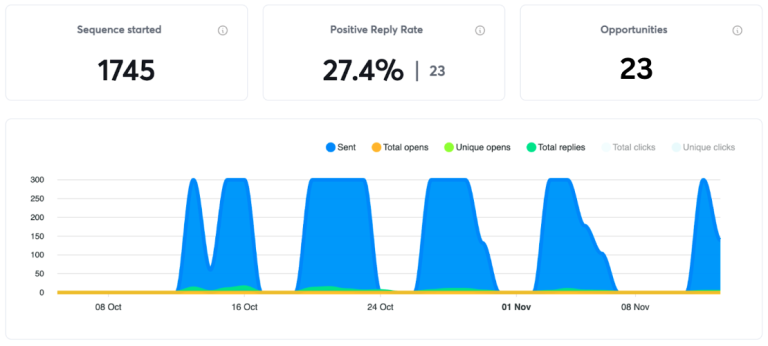
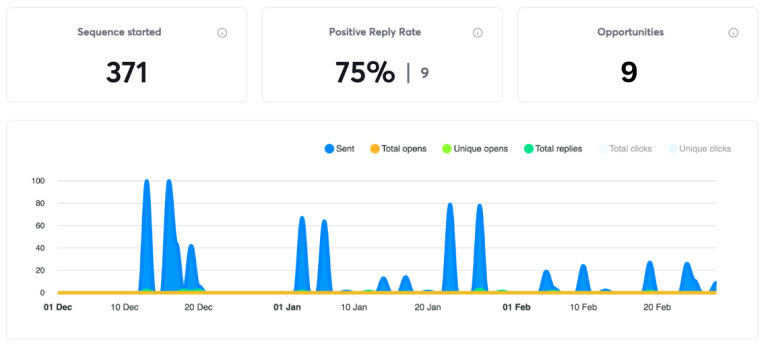
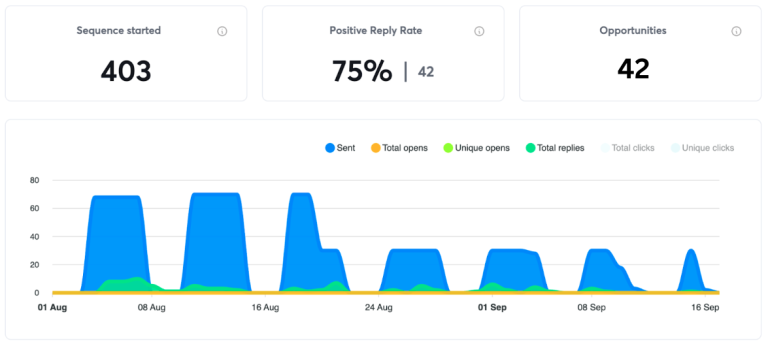
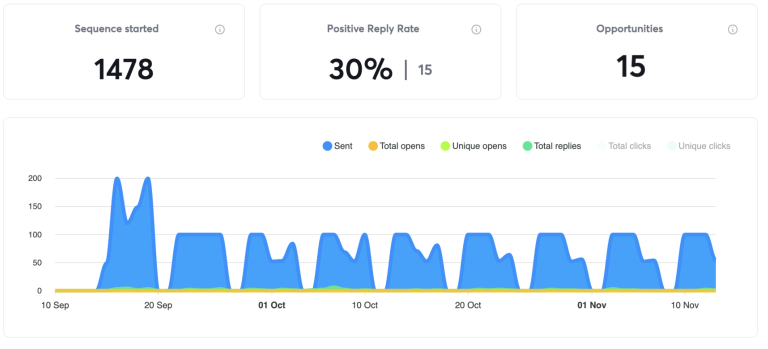
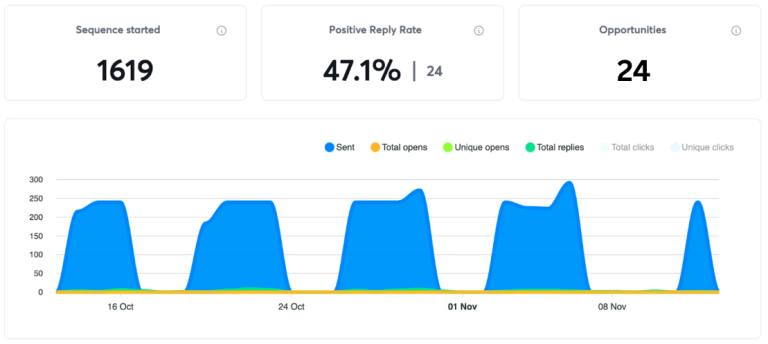
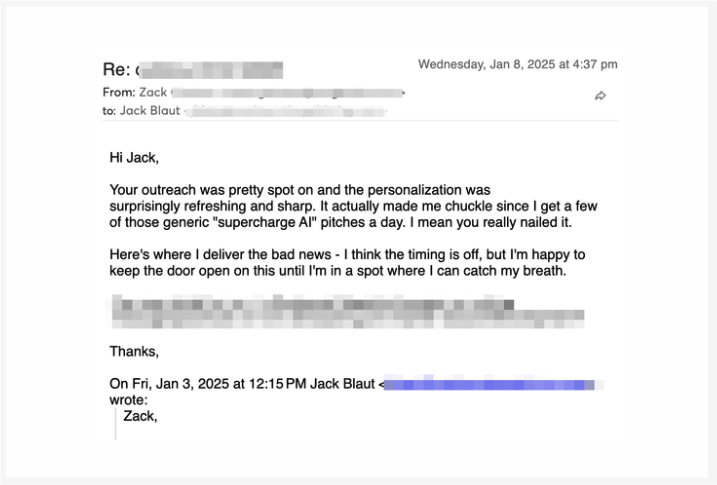
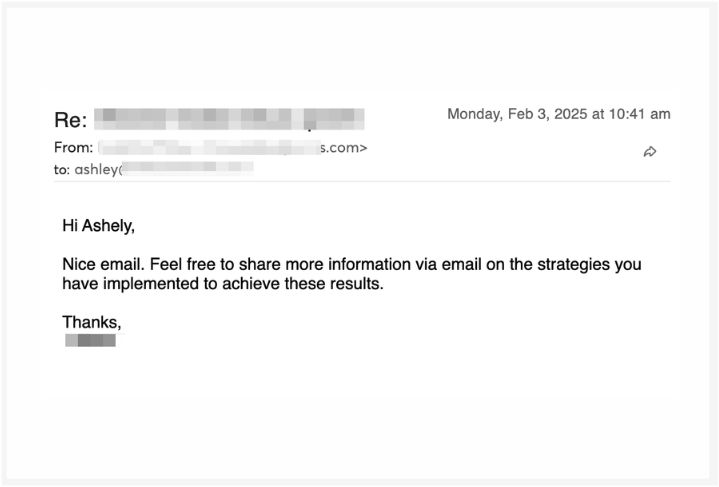
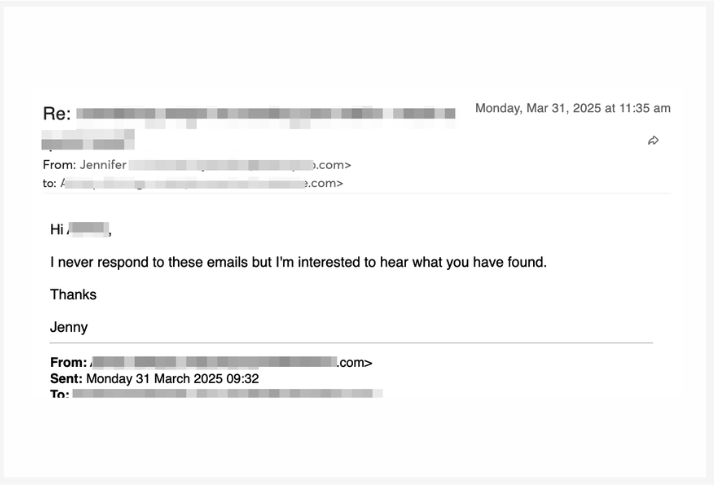
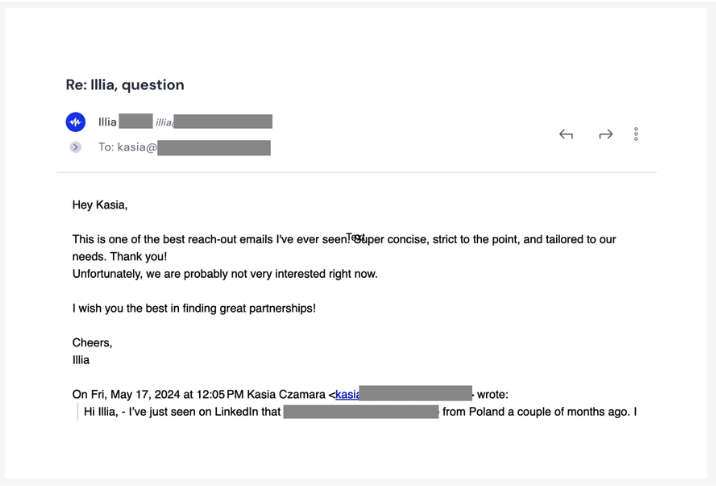
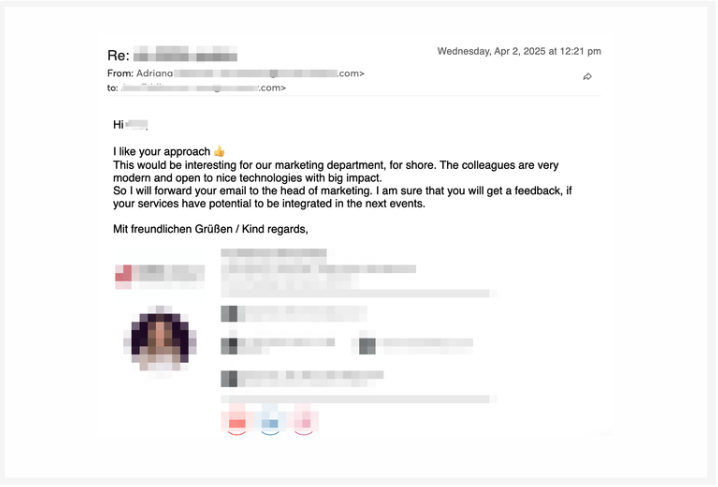
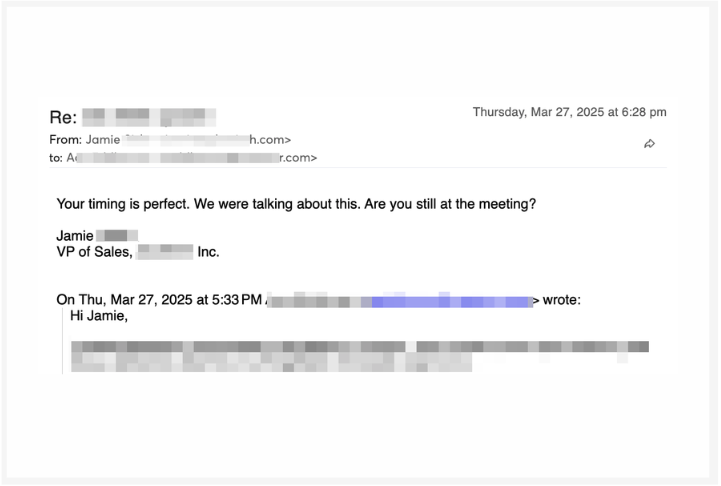
Work With Us to Get Replies Like This
FAQ
Questions about GTM Validation
How is GTM validation different from just running outbound campaigns?
Standard outbound campaigns are designed to generate meetings. GTM Validation is designed to generate insight – meetings are a by-product.
We treat each campaign as a structured market experiment: we define a hypothesis (this segment, this message, this offer), set a controlled variable, run the test, and measure the outcome.
The deliverable isn’t just a list of warm leads – it’s a validated strategy with data on what works, what doesn’t, and why.
GTM Validation runs at a smaller scale than a standard outbound campaign intentionally. We’re not optimizing for volume yet. We’re optimizing for signal.
What exactly does "market validation" mean in practice?
It means putting your ICP, messaging, and value proposition directly in front of real potential buyers — and measuring their response. Instead of asking “do you think you’d buy this?” (survey data), we ask the market implicitly: here’s who we contacted, here’s what we said, here’s how they responded. Real behaviour under real conditions is the only reliable signal.
Is this a consulting project or a done-for-you service?
Done-for-you. We handle everything — research, list building, copywriting, infrastructure setup, campaign execution, response handling, analysis, and strategy reporting. Your involvement is a kickoff call, a messaging review session, and a final readout. The rest is on us.
What does "winning message" actually mean - how do you define that?
A winning message is one that generates a statistically meaningful positive reply rate — not just opens or clicks, but real responses from people expressing interest, asking questions, or requesting a meeting. We compare variants against each other and against industry benchmarks. A message isn’t declared a winner based on one data point — we look at reply rate, positive reply rate, and the quality of conversations it starts.
How long does the engagement take?
Typically 2-3 months from kickoff to final strategy session.
Month 1: Research & Launch
Market research, ICP definition, list building, and infrastructure setup. Messaging sprint, value props, variants, sequence writing, review and approval. Live campaigns on LinkedIn and email by end of week 2.
Month 2: Testing & Signal
A/B testing across segments and message variants. Real-time monitoring of reply patterns, objections, and engagement signals. First meaningful signal typically appears in weeks 3–4. We adjust targeting and messaging based on what the data shows.
Month 3: Analysis & Strategy
Full data analysis across all campaign variables. Conversation review – what resonated, what didn’t, and why. GTM report delivered. Final strategy readout call with your team.
The first meaningful signal usually appears in month 2. The full picture, validated ICP, winning message, and segment prioritization, requires the complete dataset from all three months.
How many segments and messages do you test?
In a standard Full GTM engagement: 3–5 segments, with 2–3 message variants per segment across LinkedIn and email. In a Validation Sprint: typically 1–2 segments, 2 message variants, one channel. We scope this precisely during the discovery call based on your market, the clarity of your ICP, and your objectives.
How much involvement is required from our team?
Minimal — typically 3–4 touchpoints over the engagement: a kickoff call (60–90 min) where we need your product context, sales history, and initial ICP hypotheses; a messaging review (30 min) where you approve sequences before we send; an optional mid-campaign check-in (30 min); and a strategy readout call (60 min) where we walk through findings and recommendations. Everything in between is handled by our team.
What happens to replies and interested leads during the campaign?
All replies are monitored and categorised daily — positive, neutral, objection, out of office. Interested prospects are qualified and handed off to your team with full context. We can route leads directly into your CRM (HubSpot, Salesforce, Pipedrive) or via a structured handoff document. Meetings can be booked directly into your calendar if you prefer.
Where do you source prospect data?
We use a curated stack of 50+ data tools including Apollo, LinkedIn Sales Navigator, Harmonic, Hunter, Prospeo, and Clay — combined with AI-powered enrichment to add context like funding signals, tech stack, hiring patterns, and trigger events. No scraped junk lists. Every prospect is verified and matched against your ICP before entering a sequence.
How personalised are the messages, really?
Personalisation goes far beyond {{first_name}}. Depending on the campaign and segment, we use role-based pain points specific to their job function, industry-specific context and language, company-level signals (recent funding, growth, tech stack, news), and trigger-based messaging (job change, new hire, product launch). The goal is relevance at scale — not fake personalisation that everyone sees through.
Is cold outreach compliant with GDPR and other regulations?
Yes. We follow best practices for B2B outreach: business-only contacts, legitimate interest legal basis, clear opt-out mechanisms in every message, and full respect for GDPR, CAN-SPAM, and regional regulations. We don’t contact personal email addresses, don’t use purchased consumer lists, and remove opt-outs immediately.
Do you guarantee meetings or results?
We don’t offer artificial guarantees — and any agency that does should raise a red flag. What we do guarantee: best-in-class deliverability practices, clean and accurate targeting, high-quality personalised copy, and full transparency in reporting. Performance depends on your offer, market, and sales readiness. If we don’t think the engagement is likely to generate meaningful signal for your specific situation, we’ll tell you before we start.
What if outbound didn't work for us before?
That’s the most common reason companies come to us. In most cases, failure traces back to one or more of: ICP defined too broadly or never tested on the market, generic copy that reads like a template, deliverability issues with emails landing in spam, no systematic A/B testing or optimisation, or the wrong channel for the persona. GTM validation is specifically designed to diagnose exactly these failure points. You’ll know what broke — and how to fix it before scaling.
What if the market signal is negative — no one responds?
A negative result is still a result — and often the most valuable one. If no segment responds to any message variant, that tells you something critical: the problem isn’t your outbound execution, it’s something more fundamental — the ICP, the offer, the positioning, or the market timing. Knowing this before hiring an SDR team or spending on paid ads is exactly what this service is designed for. We never spin a poor result into a success story. You get the honest data.
What's the difference between Validation Sprint and Full GTM?
Validation Sprint: one ICP, one market, one channel. 2–3 week turnaround. Designed to get quick signal on a single hypothesis — ideal if you have one clear segment you want to test fast. Full GTM: 3–5 segments, both LinkedIn and email, full A/B testing across message variants. 4–6 weeks. Includes the complete GTM report and playbook. The right choice when you’re making a strategic decision about which market to pursue or how to position. Enterprise: ongoing validation retainer — continuous testing as you enter new verticals or launch new products, scoped individually.